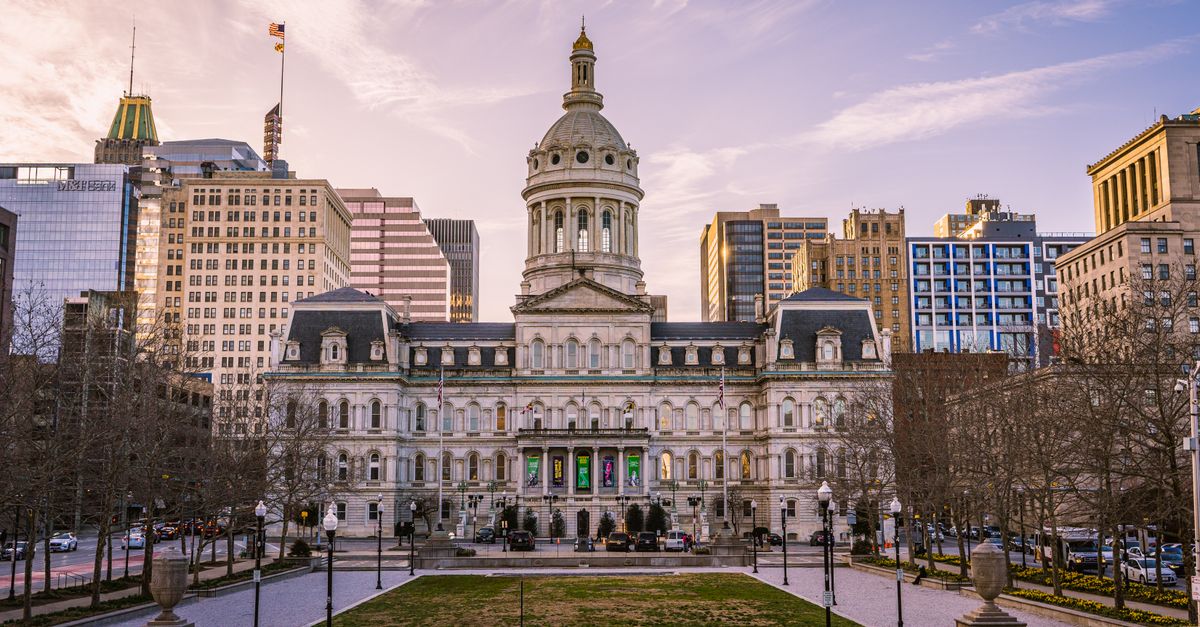
Maryland Governor Wes Moore unveiled a statewide AI framework built around three principles: protecting residents from emerging AI risks, centering workers and unions in how AI gets deployed, and safeguarding children online. “With the speed with which AI is moving, Marylanders deserve guardrails that safeguard their rights, privacy, and dignity,” Moore said in announcing the plan. On employment specifically, the framework directs the Maryland Commission on Civil Rights and the Department of Labor to issue guidance clarifying that existing discrimination law already applies when AI is involved in a decision, closing what the administration calls a federal gap on workplace AI. It also creates a standing Labor-Management Committee to give unions a formal channel on how AI affects state workers, and commits to continued investment in reskilling, upskilling, and registered apprenticeships as jobs shift.
Maryland joins a growing list of states legislating around AI in employment; six states and New York City have already passed related laws, meaning HR teams with Maryland-based staff now have another jurisdiction layering guidance onto AI-assisted hiring and workforce decisions rather than waiting on a single federal standard. The framework treats “AI-driven decision” as already covered by civil rights law rather than a case requiring new legislation, which is the detail HR and legal teams should register: it shifts the compliance question from “does a new AI law apply to us” to “can we show our existing hiring and employment processes meet civil rights obligations the state has just said explicitly cover algorithmic decisions.” Publications like HRTech have tracked this pattern of case-by-case AI hiring scrutiny building into hard rules, including in recent coverage of the trust gap around AI in hiring and in reporting on vendors like ZoomInfo’s new autonomous recruiting agent, the kind of AI-driven hiring tool state guidance like Maryland’s is now aimed squarely at.
Source: Office of Governor Wes Moore