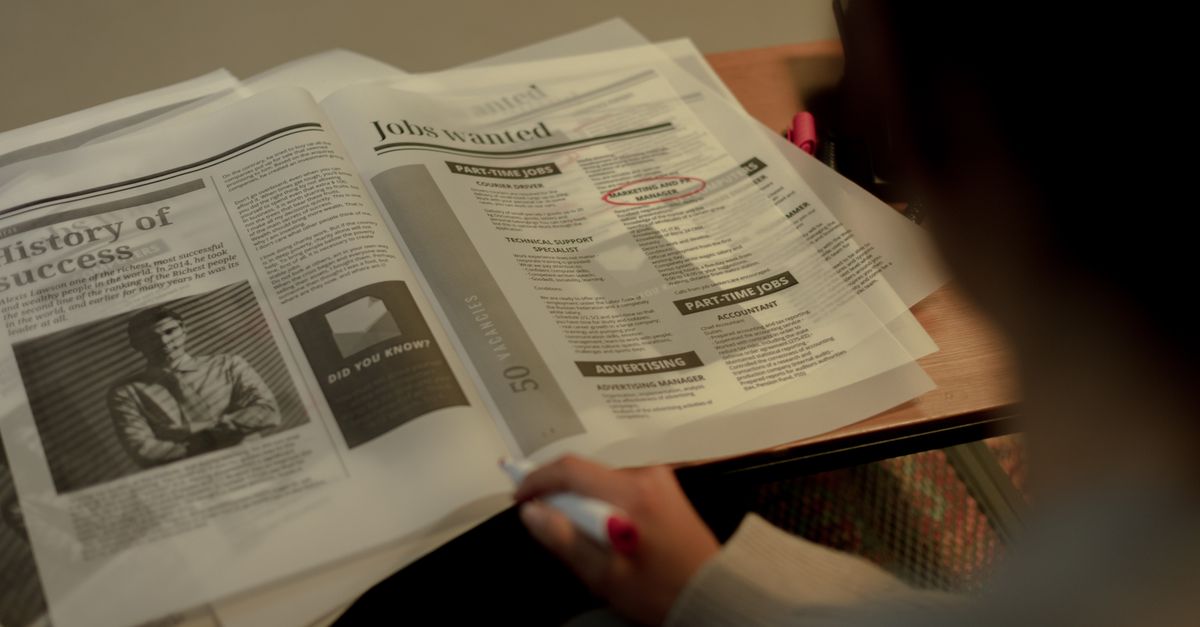
New York has become the first state to send a “ghost jobs” disclosure mandate to a governor’s desk, and the bill’s mechanics show where hiring-transparency regulation is heading next. Senate Bill S8877, sponsored by state Sen. Michael Gianaris, passed the Senate 39-19 on April 28, 2026 and cleared the Assembly on June 2, 2026. It now sits with Governor Kathy Hochul for signature.
The bill requires employers with 100 or more workers, along with third-party job-posting platforms, to disclose in bold, capitalized text whether a listing is for a current vacancy the employer intends to fill within 90 days, a vacancy expected to be filled later, or simply a posting to collect resumes with no current opening attached. Filled positions must come down within two weeks. Violations carry a $2,500 fine per posting per platform, doubling every 30 days the listing stays up uncorrected.
Why it matters for talent acquisition teams: this is not an isolated state experiment. Similar bills are moving in Pennsylvania (HB2321), New Jersey (S2136), California (AB1251), and Kentucky (HB324), and a second New York bill, S9208, is also pending. That pattern points toward a compliance requirement that recruiting operations will need to build for at the platform level, not just the policy level, since the disclosure language has to be generated and refreshed automatically across every job board and career site an employer uses, not manually maintained by recruiters.
The original insight employers are still underestimating: the enforcement mechanism targets job-posting platforms as well as employers, which means applicant tracking systems and job board integrations, not just HR policy teams, will need to build automated compliance into how listings sync and expire. Teams that already rebuilt hiring workflows around state-level AI hiring rules are best positioned to extend that same infrastructure to posting-transparency mandates like this one.
Source: New York State Senate