Toxic workplace culture is more widespread than most organisations want to acknowledge. A recent HR Dive survey found that around 60% of employees view their direct supervisors as toxic, a finding that puts HR leaders under immediate pressure to act. The consequences are measurable: eroded trust, reduced engagement, higher turnover, and growing legal exposure from harassment and discrimination claims.
Why Toxic Workplace Culture Is an Escalating HR Priority
Toxic leadership presents significant challenges for HR departments, and those challenges are intensifying. Organisations are adapting to hybrid work models. At the same time, employees are making increased demands for psychological safety.
The data supports wider industry findings. Toxic management correlates directly with lower productivity and higher legal risks, including harassment and discrimination claims. Consequently, HR professionals must focus on early identification and mitigation of toxic behaviours, not retrospective response after damage has already been done.
The problem also intersects with broken performance management infrastructure. The performance review is dead, and the annual review cycle that should surface toxic management rarely does so in time to prevent harm. Furthermore, the same demographic pressure that drives workforce planning urgency compounds the culture risk: with 23% of the US workforce now over 55, retaining experienced employees in toxic environments is a workforce planning emergency, not just a culture concern.
How HR Leaders Are Identifying Toxic Workplace Culture Early
In response to these challenges, some organisations have rolled out extensive training programmes. These emphasise emotional intelligence and inclusive leadership. Additionally, they have established anonymous feedback systems that allow employees to voice concerns without fear of retaliation.
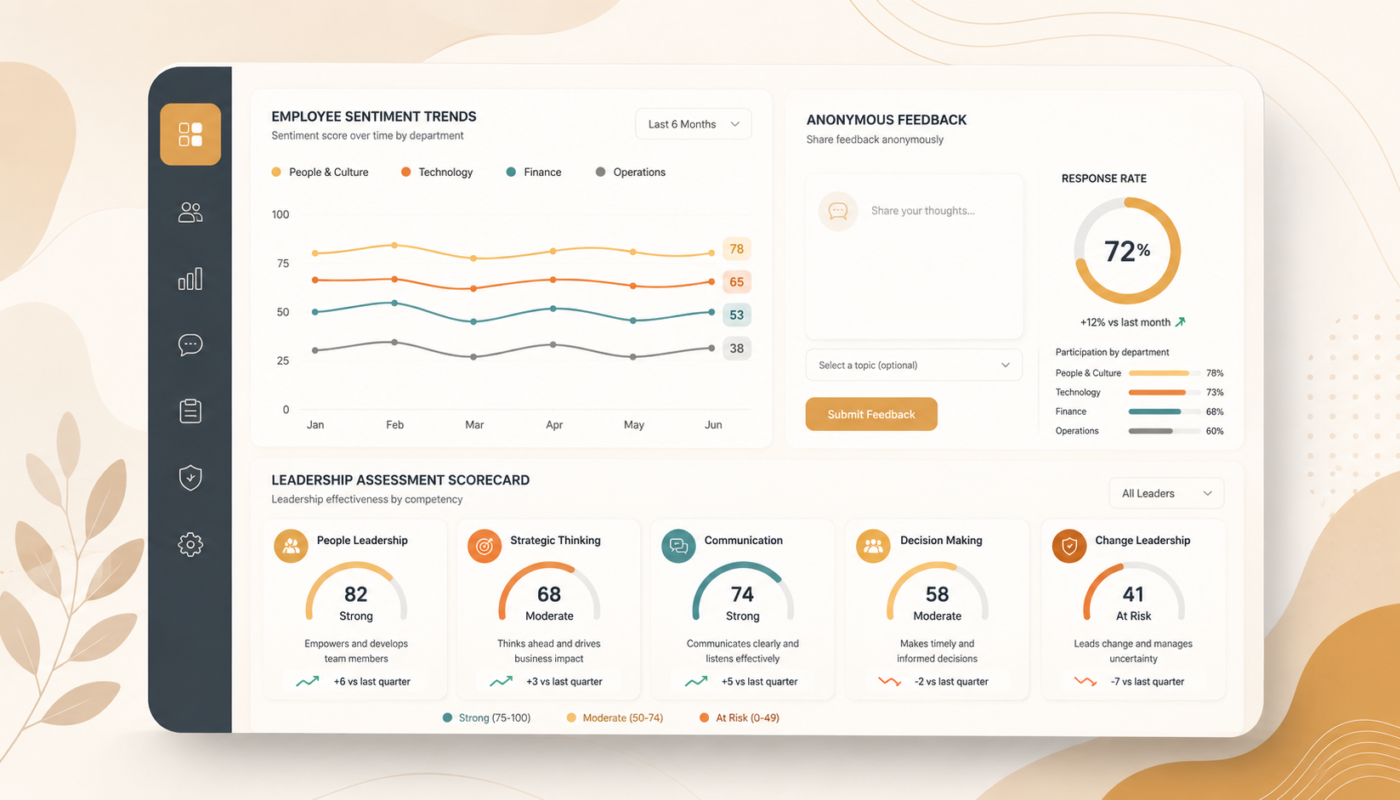
The technology response to toxic workplace culture now includes real-time sentiment analysis and people analytics tools. By incorporating these, HR teams can monitor patterns in employee sentiment and turnover, and implement data-driven interventions before problems escalate. Employee experience platforms are consolidating around continuous listening, and that always-on sentiment signal is precisely what early toxicity detection requires. Moreover, predictive workforce analytics vendors are replacing HR dashboards with attrition forecasting models, giving HR leaders the data they need to connect toxic management patterns to turnover risk before people resign.
However, the data flowing through these systems carries its own governance risk. AI agents are an identity and access problem that most enterprises are not yet managing, and anonymous feedback and sentiment data flowing through AI-powered HR platforms raises questions about data security and employee privacy that CHROs must address alongside the culture intervention itself.
What Technology Can and Cannot Fix
Dr. Linda Chen, chief human resources officer at a Fortune 500 company specialising in workforce analytics, framed the challenge clearly. “Addressing toxicity requires a multifaceted approach that combines policy, culture, and technology,” she said. “Organisations that invest in proactive leadership development and transparent communication channels are better equipped to foster trust and resilience among their teams.”
That framing matters. Technology is a detection and monitoring layer, not a solution in itself. Effective change requires sustained commitment from senior leadership and alignment with organisational values. This connects directly to why DEI programmes fail, the same execution gap between tool deployment and leadership commitment applies equally to toxicity intervention. Meanwhile, 35 CROs share what they actually extract from AI in revenue operations, and the gap between platform promise and behavioural change is strikingly similar to what HR leaders face with culture technology.
The Strategic Risk CHROs Cannot Afford to Underestimate
For HR technology buyers and CHROs, solutions that offer real-time sentiment analysis and leadership assessment modules are becoming increasingly valuable. However, reliance on technology alone is not enough.
Organisations that treat toxic workplace culture as a strategic risk, not just an HR problem, will be better positioned to retain talent and avoid legal exposure. Failing to address toxicity jeopardises employee well-being, organisational reputation, and operational continuity simultaneously. That combination makes it essential for HR leaders to assess both cultural and technical strategies in tandem.
The boardroom accountability dimension is growing too. Pipeline forecasting accuracy has become a boardroom metric at public companies, and culture risk is following the same trajectory. Investors, regulators, and talent markets are increasingly holding organisations accountable for the environments they create.