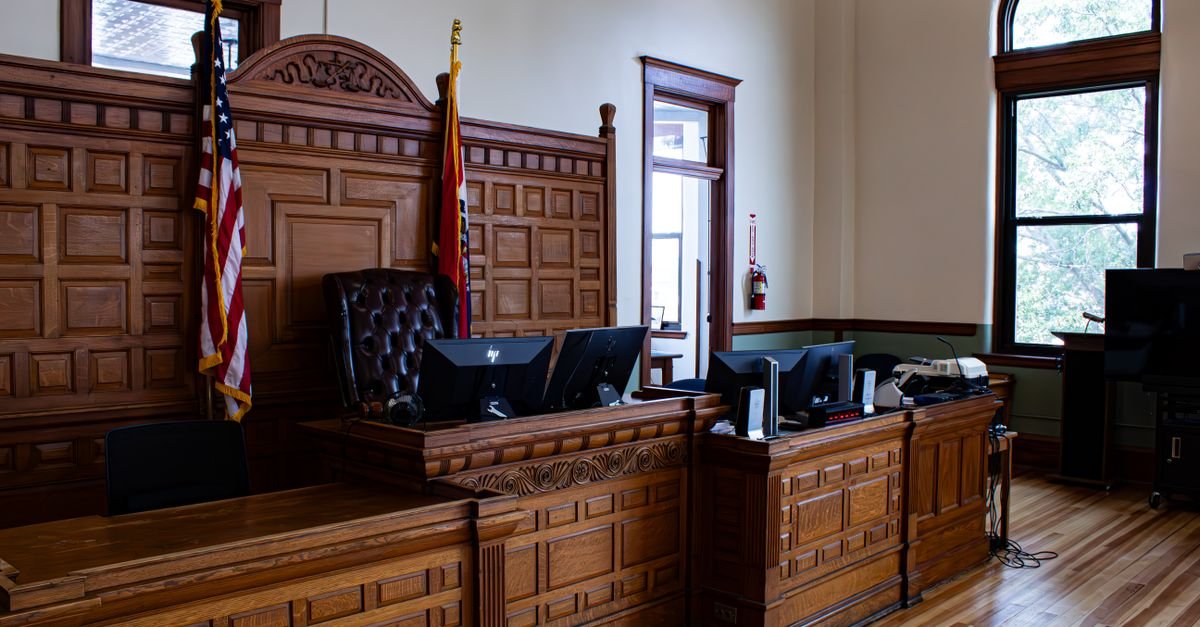
The Second Circuit ruled this month that knowing an employee needs a religious accommodation is not, by itself, enough to prove failure-to-accommodate discrimination. In Bergin v. New York State Unified Court System, a former court officer had sought a religious exemption from a COVID-19 vaccine mandate; when she did not timely complete a follow-up questionnaire, the court system discharged her for non-compliance. The appeals court held that a plaintiff must show the employer’s adverse decision was motivated by a desire to avoid granting the accommodation itself, not merely that the employer knew a request existed and acted for other reasons, such as an incomplete process.
The ruling matters because it raises the evidentiary bar in the employer’s favor at the exact moment other courts and the EEOC are pushing the opposite direction. Filed in the same week as a federal suit accusing another employer of terminating a worker shortly after a religious accommodation request, the two cases together show religious-accommodation risk cutting both ways right now: employers who act on pretext still lose, but employers who can document that a decision was driven by process failure, not the accommodation request itself, have a real defense. That split is consistent with the pattern behind broader EEOC enforcement cutting in every direction this year.
The original insight for HR: the paper trail is now the whole case. Employers that can show a documented, consistently applied process, the same questionnaire, the same deadline, applied to every accommodation request regardless of religion, are the ones this ruling protects. Employers that skip documentation and rely on manager judgment are not.