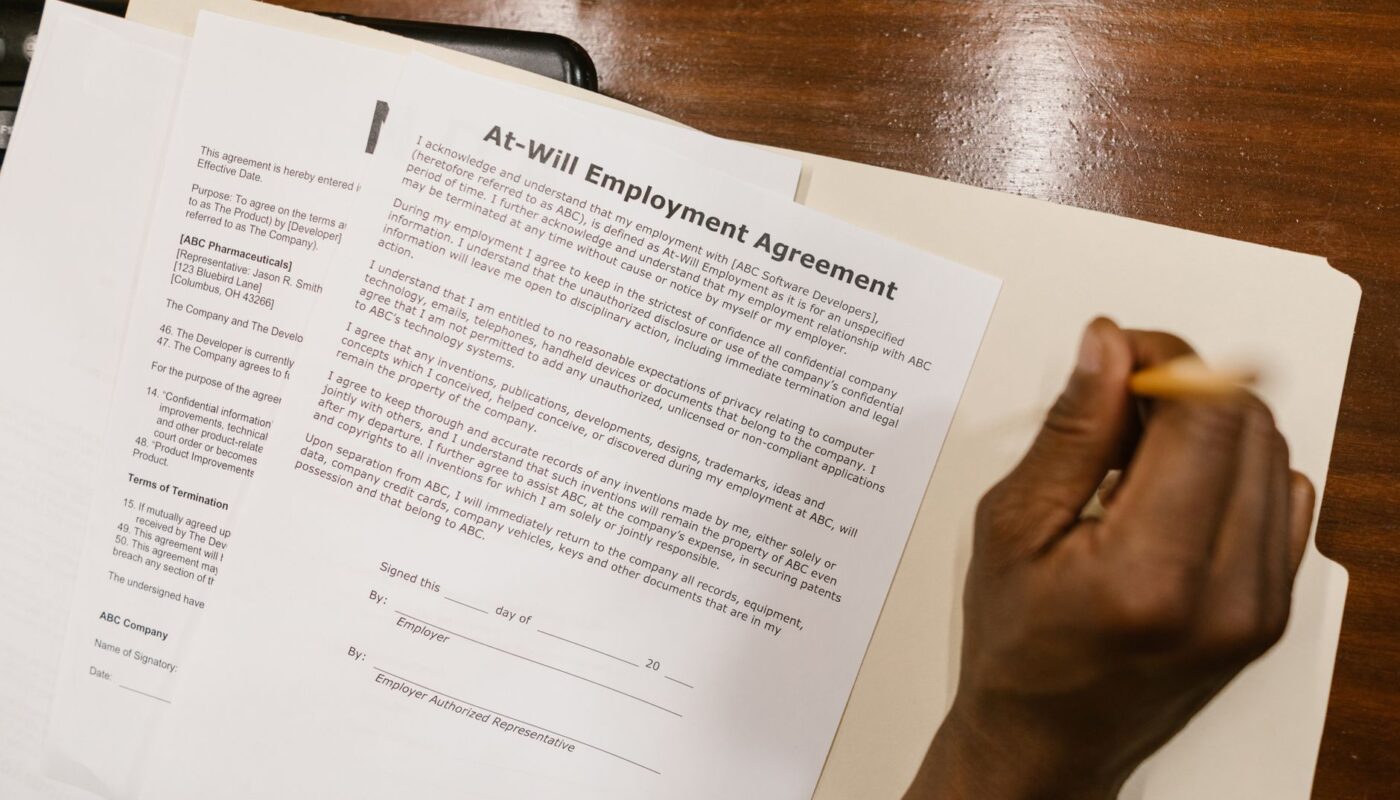
Pre-employment health screening practices are under renewed legal scrutiny. The U.S. Equal Employment Opportunity Commission filed suit against Dana Sealing Manufacturing, LLC, a major sealing systems manufacturer, alleging that the company illegally required job applicants to disclose family medical history as part of a pre-offer medical questionnaire. The EEOC contends this violated the Genetic Information Nondiscrimination Act, which prohibits employers from acquiring genetic information, including family medical history, from applicants and employees. Full case details are in the EEOC press release.
GINA enforcement actions of this type are relatively uncommon, which makes the Dana Sealing suit notable. The statute has been on the books since 2008, but the volume of EEOC litigation under GINA has historically been low compared to other employment discrimination statutes. The suit signals that the Commission is expanding its enforcement focus on pre-employment screening practices, a category that has grown more complex as employers adopt automated health questionnaires and third-party occupational health vendors as part of their hiring infrastructure.
The case carries direct implications for HR technology vendors and employers using digital pre-employment screening tools, particularly in manufacturing, healthcare, and other sectors that conduct medical clearances before hire. The liability question is not limited to paper questionnaires; automated onboarding platforms that include health history fields may face the same exposure if those fields solicit information covered under GINA. The enforcement direction connects to the broader pattern of employment screening tools facing elevated legal standards as regulators increase scrutiny of hiring technology practices.
Related: EU AI Act Employment Compliance Deadline Moves to December 2027